Tuesday, February 25, 2014

Post-hurricane Documents Getting Eaten Away?

2/25/13

   March 11th, 2011. The day a large hurricane and earthquake rattled Japan and all the people inhabiting it. Many homes were left destroyed: and documents are still being destroyed to this day by microorganisms that now live on this paper. Certain paper objects were soaked by seawater and it resulted in microbial deterioration of these items. Microbial Deterioration means that the microbes slowly begin to break down the object affected, using it as a home and most commonly for food. If the papers were left laying around wet for several months it gives a better chance of these microbes to grow. Things such as Stachybotrys chartarum (black spots found on the culture) is a dangerous black mold spore that grows on moist objects and is considered toxic to humans. Other microbes appeared on cultures like Streptomyces sp. (light red dots) and Myxotrichum sp. The study of these papers shows just what can happen if water is left to sit around for long periods of time on objects. They can grow spores and molds that can be potentially harmful to people who are exposed to it. Which begs the question, what about Hurricane Sandy's aftermath? Did it leave papers soaked in saltwater behind to grow these types of fungi? Tests on this would be a great idea. The author did a good job of making all these points clear throughout the article. It's true a hurricane leaves a mess behind: but who knew it left microbes behind too? 
source: http://ejournals.ebsco.com.libproxy.unm.edu/Direct.asp?AccessToken=3PMMNX181LLSLEMDDP01QDPD0ZM181M-DP&Show=Object

Wednesday, February 19, 2014

Beach sand contains harmful microbes?

2/19/14


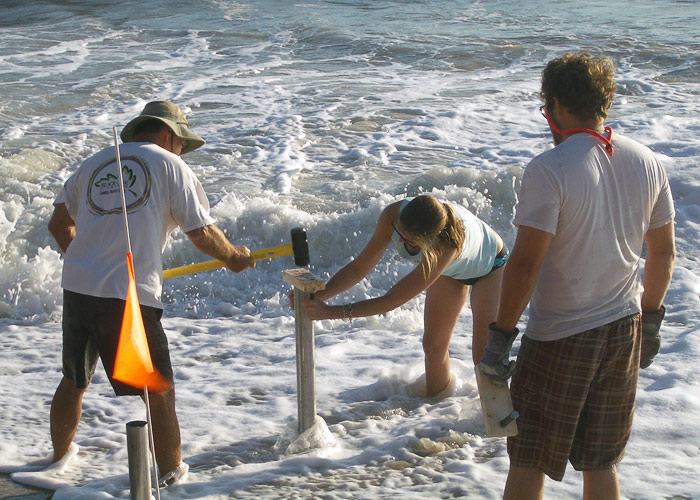
    The beach is a place for fun, sun and an escape from the real world for a short time. You would think that such a wonderful place to be would be free from worries, even of the microscopic kind. Water on beaches which is often monitored by scientists to keep from harmful contaminants such as human sewage from entering this water and making beach goers sick. However, new research shows that there is no monitoring system on the sand and more studies are coming back showing that there are harmful microbes contained within the sand. Things like pathogenic bacteria, fungi and viruses have been detected with the most recent tests. The scary part of it all is that scientists are unsure of exactly what effects will come from exposure to these different kinds of microbes since they had just found out these had even existed in the first place.
Details are plain as day in this article there is however, a lot of mystery surrounding just what could be living in the sand beneath our feet. Knowing more information on this subject would make for a lot better analysis. The question is how did all these microbes even get there? From years of tourists or just naturally? Also, why are they just discovering the existence of these little guys now? It's crazy to know they can even be in the sand we play in. We may be able to take vacations to the beach, so why can't microbes?
http://www.whoi.edu/cms/images/oceanus/becky-bab-levi_170653.jpeg

Wednesday, February 12, 2014

Microbes on Ice: Repairing DNA?

2/12/14

   Microbes are in every place in the world that you could imagine; From sulfuric puddles to the walls of caves. They get into almost every nook and cranny that we do. What about microbes that inhabit the ice? Scientists have new findings on what exactly a microbe can do while encased in ice, how about DNA repair while being stuck in it's frozen state? Scientists fed the microbes some food they essentially "reanimated" these microbes. Normally, these cells contained within the microbes break down after a certain period of time. Scientists say that there is some kind of metabolism going on within frozen cells to keep them at least a tiny bit alive for all this time. They found that the DNA repairs itself over time in these microbes, which means there could very well be microbes living on other planets if they can survive freezing for thousands upon thousands of years. The points are all labeled and clear about just how important this finding is for further research on life on other planets. Which begs the question, why haven't scientists studied ice microbes up until now? There's a whole new world found in this ice, and tons of "eureka" to boot. Ice is very simple to come across and is not too complex to study. Either way, these cool new microbes are going to take the scientific world by storm and could possibly solve our burning question of "can life be sustained on other freezing planets?"

Picture: http://www.uisoftware.com/Voyager/GuestPlanet/artmatica/IcePlanet.jpg

Wednesday, February 5, 2014

Dino DNA - Can we replicate these ancient beasts?

2/5/14

   In the mid 90's, the world was fascinated and awe stricken over the fantasy world of Jurassic Park. Two years after the movies release into theaters, scientists debunked myths surrounding dinosaurs and discovered new microbes that had to do with prehistoric worlds. Scientists said that you can't reanimate a T-Rex with just fossils alone, you would need far more than just a few bits of DNA found on these objects. However, they can reanimate things that were encased in sap, such as fungi, bacteria and other microbes. Things stuck inside sap remain perfectly in tact and are protected from all the elements. These microbes contained within the sap can be very valuable to future research. Certain bacteria and fungi that used to inhabit these insects, plants and soil can transform into a kind of "time capsule" so they can hide away until the living conditions for that species gets better. During this process they do not requite food or water but just simply stay in a catatonic state. For how long exactly? 650 million year old microbes have been found in sap. These bacteria and DNA fragments prove to be the scientific mother load for scientists hungry to find out more about dinosaurs and ancient life. This article is very straightforward in what it is saying to all of us. Since it is almost 20 years old I am positive more research has been done in that amount of time about certain DNA and microbes in prehistoric items. Certainly way more than we knew 20 years ago. This topic is always fascinating, because maybe someday we will have enough knowledge to finally replicate a dinosaur and be able to walk alongside them much like in Jurassic Park.

Picture: 
http://images.travelpod.com/tw_slides/ta00/9b3/afe/amber-with-ancient-lizard-caught-inside-boca-chica.jpg